

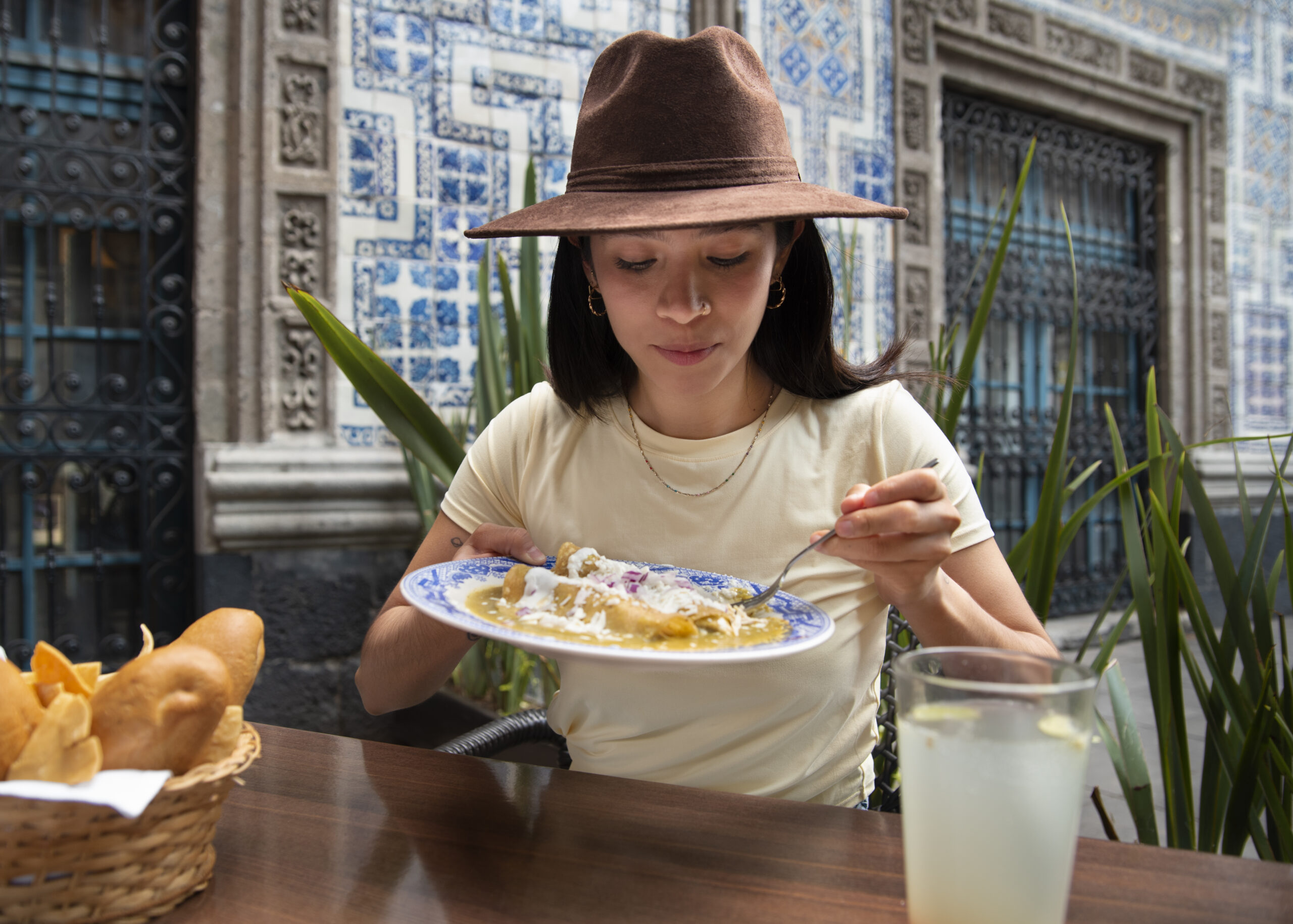
“Latin leche” is more than a simple translation of milk into Spanish; it represents a deep-rooted cultural and culinary identity shaped over centuries. At its core, the term captures the role of milk in Latin traditions, from beloved desserts to everyday beverages. Within the first moments of exploring the topic, it becomes clear that “latin leche” reflects a blend of indigenous heritage and colonial influence, resulting in a unique and evolving food culture. Milk-based creations such as dulce de leche, café con leche, and tres leches cake are not only widely consumed but also carry emotional and historical significance across generations.
Before European colonization, dairy was not part of indigenous diets in the Americas. The introduction of cattle by Spanish and Portuguese settlers in the 16th century marked a turning point, gradually integrating milk into local cuisines. Over time, communities adapted this new ingredient, combining it with native staples like maize, cacao, and tropical fruits. This blending of influences gave rise to dishes that are now deeply embedded in national identities.
Today, “latin leche” continues to evolve beyond its historical roots. It appears in modern cafés, fusion desserts, and global culinary trends, reflecting both tradition and innovation. Understanding its significance means looking beyond recipes and examining the broader cultural and historical forces that shaped its journey.
The Historical Roots of Milk in Latin Cultures
Milk’s presence in Latin cuisine began during the early colonial period when European settlers introduced livestock to the Americas. Initially, dairy consumption was limited to colonial elites, as indigenous populations had little exposure to or access to milk. Over time, however, this changed as local communities began incorporating dairy into their diets through experimentation and adaptation.
In regions such as Mexico and Central America, milk was combined with sugar and spices like cinnamon to create comforting beverages and desserts. In South America, particularly Argentina and Uruguay, slow-cooked milk and sugar evolved into dulce de leche, a product that has since become a cultural symbol. These innovations illustrate how local ingredients and techniques transformed an imported food into something uniquely regional.
By the 19th century, dairy farming had expanded significantly, supported by immigration and advancements in agriculture. Milk became more accessible across different social classes, transitioning from a luxury item to an everyday staple. Its growing presence in kitchens across Latin America marked an important shift in both diet and culture, embedding dairy into the fabric of daily life.
Cultural Expressions Through Milk-Based Foods
Milk-based dishes in Latin cultures carry meanings that go far beyond nutrition. They are often tied to family traditions, celebrations, and shared memories. Desserts such as tres leches cake, flan, and arroz con leche are commonly prepared for special occasions, symbolizing hospitality and abundance.
Tres leches cake, known for its moist texture created by soaking sponge cake in three types of milk, is a centerpiece at birthdays and gatherings. Arroz con leche, a rice pudding infused with cinnamon and milk, is associated with comfort and nostalgia, often prepared during holidays or colder seasons. These dishes serve as emotional connections to heritage, linking generations through shared recipes.
Milk also plays a central role in everyday rituals. Café con leche, a simple blend of coffee and milk, is a staple morning drink in many Latin households. It represents not just sustenance but also a moment of pause, often enjoyed in the company of family or friends. Through these daily and celebratory practices, milk becomes a symbol of both continuity and connection.
Iconic Latin Milk-Based Dishes
| Dish Name | Country/Region | Key Ingredients | Cultural Significance |
|---|---|---|---|
| Dulce de Leche | Argentina, Uruguay | Milk, sugar | National identity, desserts |
| Tres Leches Cake | Mexico, Central America | Milk trio, sponge cake | Celebrations, festivities |
| Flan | Spain, Latin America | Eggs, milk, sugar | Colonial heritage dessert |
| Arroz con Leche | Widespread | Rice, milk, cinnamon | Comfort food, holidays |
| Café con Leche | Caribbean | Coffee, milk | Daily ritual, social bonding |
Economic and Agricultural Dimensions
Dairy production plays a significant role in the economies of many Latin American countries. Nations such as Brazil, Mexico, and Argentina are among the leading producers of milk in the region, contributing substantially to both domestic consumption and international trade. For many rural communities, dairy farming provides a primary source of income and employment.
Small-scale farmers often rely on milk production to sustain their livelihoods, while larger operations supply urban markets and export goods. This dual structure highlights the importance of dairy across different economic levels. However, the industry also faces challenges, including climate change, fluctuating feed costs, and market instability.
Additionally, dietary patterns are evolving. Lactose intolerance among certain populations has led to the development of lactose-free dairy products and plant-based alternatives. At the same time, rising incomes in some regions have increased demand for a wider variety of dairy products, from flavored milks to artisanal cheeses. These shifts demonstrate how economic and cultural factors continue to shape the role of milk in Latin societies.
Dairy Production Trends in Latin America
| Country | Annual Milk Production (Approx.) | Key Dairy Products | Export Status |
|---|---|---|---|
| Brazil | 35 billion liters | Cheese, milk powder | Major exporter |
| Mexico | 13 billion liters | Fresh milk, yogurt | Moderate imports |
| Argentina | 11 billion liters | Dulce de leche, cheese | Strong exports |
| Colombia | 7 billion liters | Milk, cheese | Domestic focus |
| Chile | 3 billion liters | Dairy beverages | Export-oriented |
Modern Interpretations and Global Influence
In recent years, “latin leche” has gained recognition beyond its traditional boundaries, influencing global food trends. Latin-inspired milk-based beverages and desserts are now commonly found in cafés and restaurants worldwide. From dulce de leche lattes to innovative takes on tres leches cake, these creations showcase the adaptability of Latin culinary traditions.
Chefs and food innovators are experimenting with new techniques and flavor combinations, blending traditional recipes with contemporary styles. Social media has played a significant role in spreading these trends, introducing global audiences to dishes that were once regionally specific. Viral recipes and visually appealing presentations have further increased their popularity.
This global expansion reflects the universal appeal of milk-based foods, which offer both richness and versatility. While the core elements remain rooted in tradition, modern interpretations continue to push boundaries, ensuring that “latin leche” remains relevant in an ever-changing culinary landscape.
Expert Perspectives on Milk and Culture
Experts across fields highlight the importance of milk in shaping culinary traditions. Food scientists emphasize its versatility, noting how it can transform textures and flavors in diverse recipes. Historians point to the blending of European and indigenous influences as a defining characteristic of Latin cuisine, with milk playing a central role in that exchange.
Nutrition experts also recognize dairy as a valuable source of nutrients, while acknowledging that cultural context influences how it is consumed. In Latin cultures, milk is not just a dietary component but a symbol of community, tradition, and creativity. These perspectives underscore the multifaceted role of dairy, bridging science, history, and culture.
Takeaways
- “Latin leche” reflects a blend of colonial and indigenous culinary traditions.
- Milk-based dishes serve as important cultural symbols tied to celebrations and daily life.
- Dairy production plays a key economic role across Latin America.
- Traditional recipes continue to evolve through modern interpretations.
- Cultural context shapes how milk is consumed and valued.
- Global interest in Latin cuisine has expanded the reach of milk-based dishes.
Conclusion
The journey of “latin leche” reveals how a single ingredient can carry layers of history, culture, and meaning. From its introduction during colonial times to its place in contemporary global cuisine, milk has become an integral part of Latin culinary identity. It tells a story of adaptation, resilience, and creativity, reflecting the diverse influences that shaped the region.
As food traditions continue to evolve, “latin leche” remains a powerful example of how culture and cuisine intersect. It connects past and present, linking generations through shared flavors and experiences. Whether enjoyed in a traditional dessert or a modern café creation, milk continues to play a vital role in expressing the richness of Latin heritage.
FAQs
What does “latin leche” mean?
It refers to milk and milk-based foods within Latin cultural traditions, including desserts, beverages, and historical influences.
Why is milk important in Latin cuisine?
Milk became significant after colonization and was adapted into local recipes, creating iconic dishes across the region.
What are common Latin milk-based desserts?
Popular examples include dulce de leche, tres leches cake, flan, and arroz con leche.
Is dairy widely consumed in Latin America?
Yes, though consumption varies depending on region, culture, and lactose tolerance levels.
How has “latin leche” influenced global cuisine?
Latin milk-based dishes and flavors have inspired modern desserts and beverages worldwide.
APA References
Food and Agriculture Organization. (2013). Milk and dairy products in human nutrition. FAO.
Food and Agriculture Organization. (2020). Dairy market review. FAO.
Laudan, R. (2013). Cuisine and empire: Cooking in world history. University of California Press.
Mintz, S. (1985). Sweetness and power: The place of sugar in modern history. Penguin Books.
Delgado, C. (2003). Rising consumption of meat and milk in developing countries. Journal of Nutrition, 133(11), 3907S–3910S.
McGee, H. (2004). On food and cooking: The science and lore of the kitchen. Scribner.
Presilla, M. (2012). Gran cocina latina. W. W. Norton & Company.
Nestle, M. (2013). Food politics: How the food industry influences nutrition and health. University of California Press.
 Richard